ClientWise — Family Law Client Portal
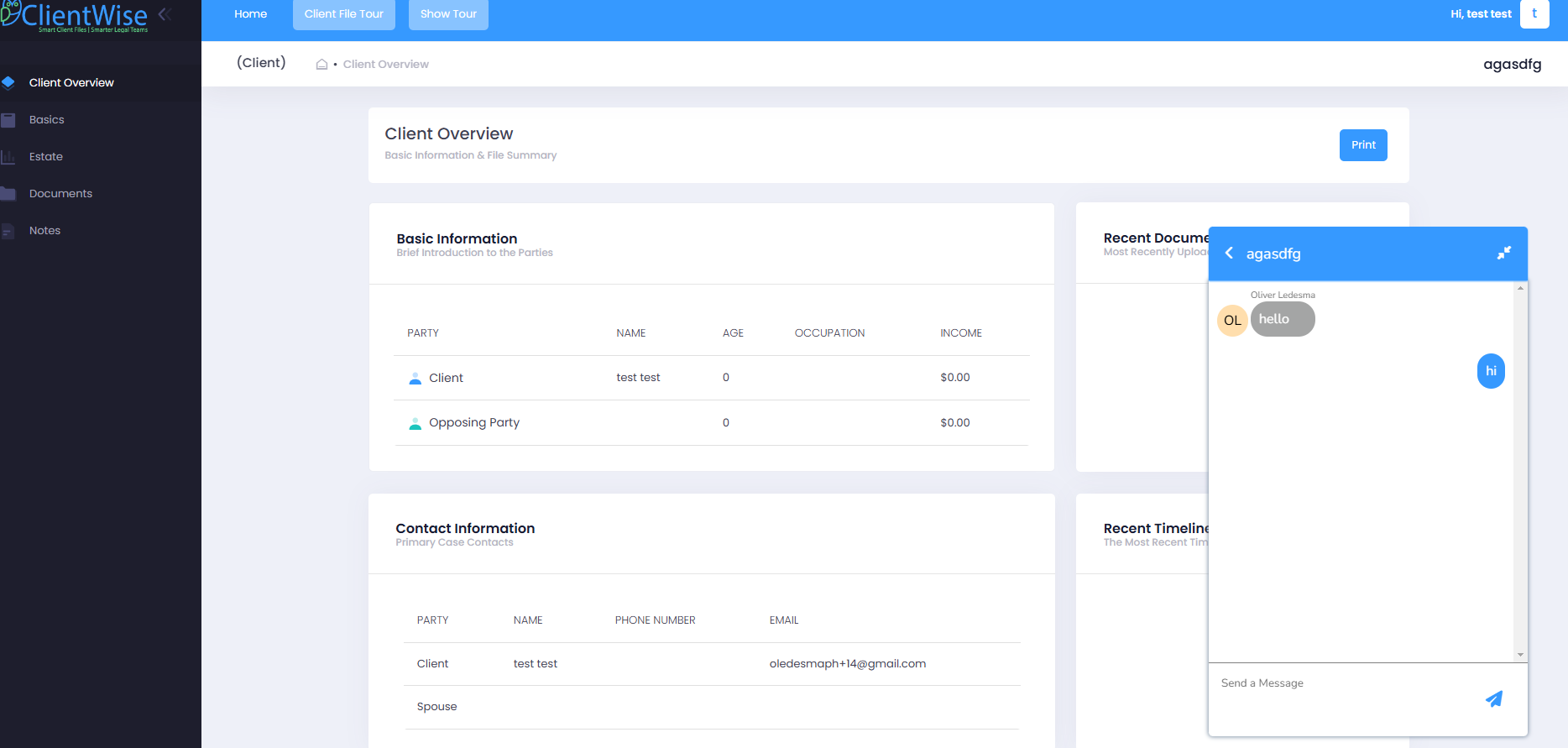
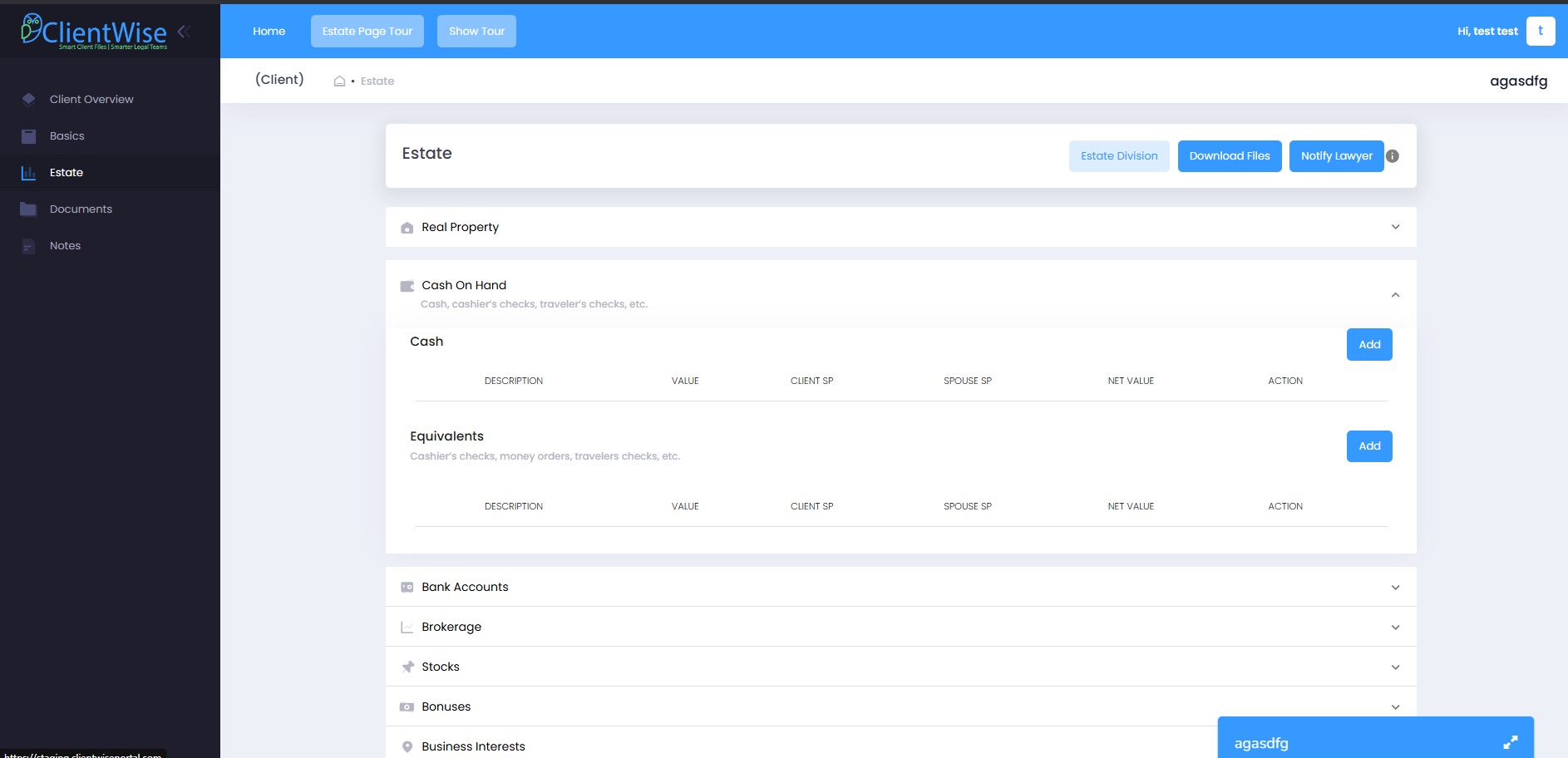
A partner tool that helps divorce lawyers study case history, build litigation presentations, and manage estate division negotiations. I developed the original Laravel backend before transitioning into full-time Technical Project Management — which meant I understood the system well enough to keep the roadmap honest about what was actually feasible.
We ran on Kanban: the founder had a constant stream of new ideas but genuinely wanted to keep the product streamlined, so alongside new features we regularly revisited shipped ones based on real user feedback. It's currently live and in use by a select number of lawyers in the United States.
- Original Laravel MVP backend
- Founder-led, Kanban-driven roadmap
- Continuous refinement from live user feedback
- Staging acceptance testing before every release
Divorce With A Plan — Josephia Law
Every product decision on ClientWise gets tested against a real human sitting on the other side of a screen like this one: someone searching for a Maryland family law attorney in the middle of a divorce. This is the marketing front door for one of the practices using ClientWise — the actual niche the portal's product experience has to serve. Understanding what brought this person to the site, and what they were afraid of when they got there, shaped how the portal itself was built.
- Niche & audience definition
- Positioning around a specific, emotional customer moment
- Product-marketing alignment with ClientWise

Y2K Movie Application
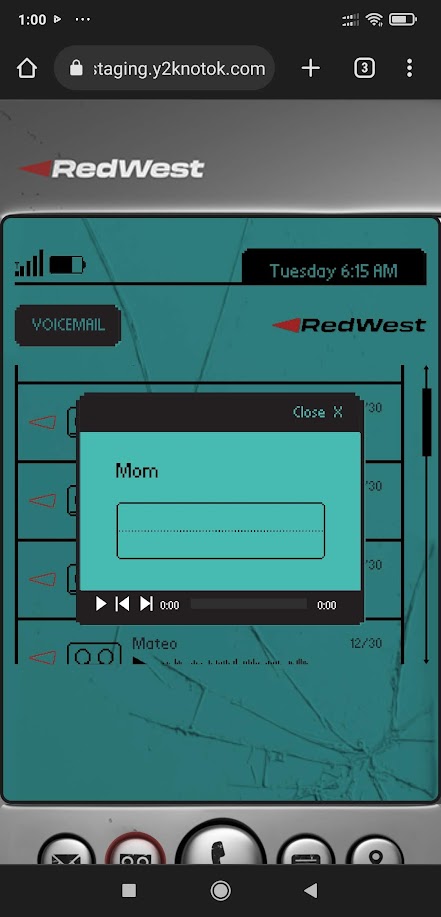
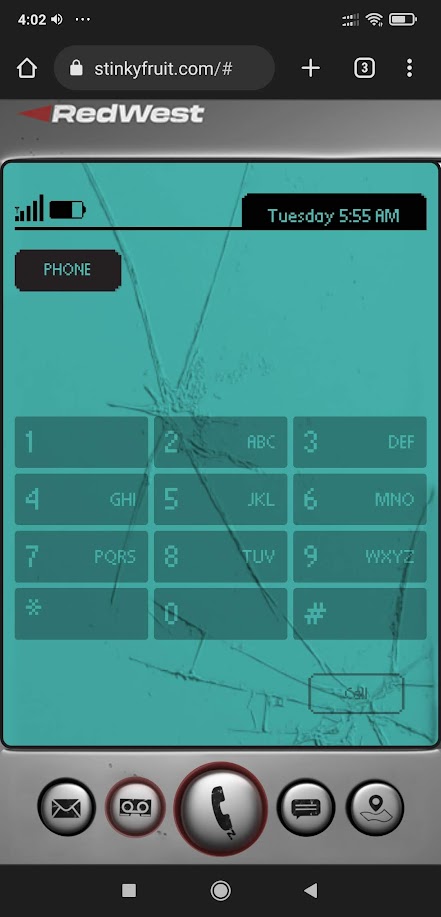
A text-based retro mobile game built to be part of a pitch for a feature film proposal — an in-world phone interface (voicemail, dialer, messages) for a fictional company called RedWest. I ran it Agile because the assets were still being made while the client wanted to see continuous progress, which meant frequent brainstorming to solve for genuinely dynamic needs and near-constant change requests.
The game itself was finished. The movie was never picked up, so the project never launched into production — a reminder that not every well-built product finds its niche, and that's a real outcome worth being honest about, not hidden.
- In-world interface & narrative design
- Agile delivery against a moving creative target
- Built for a pitch, not a guaranteed launch
MMFC Teachers Portal
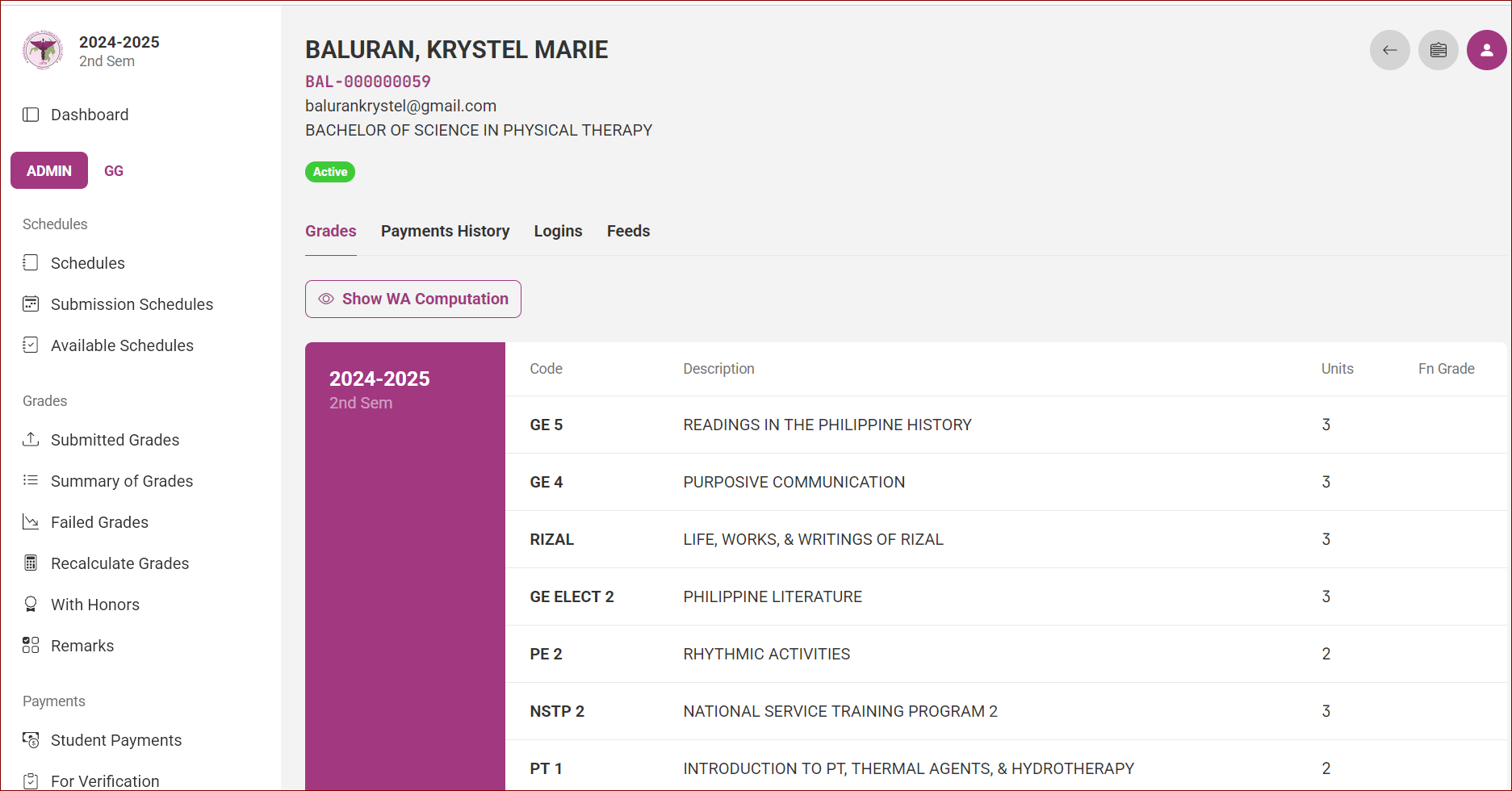
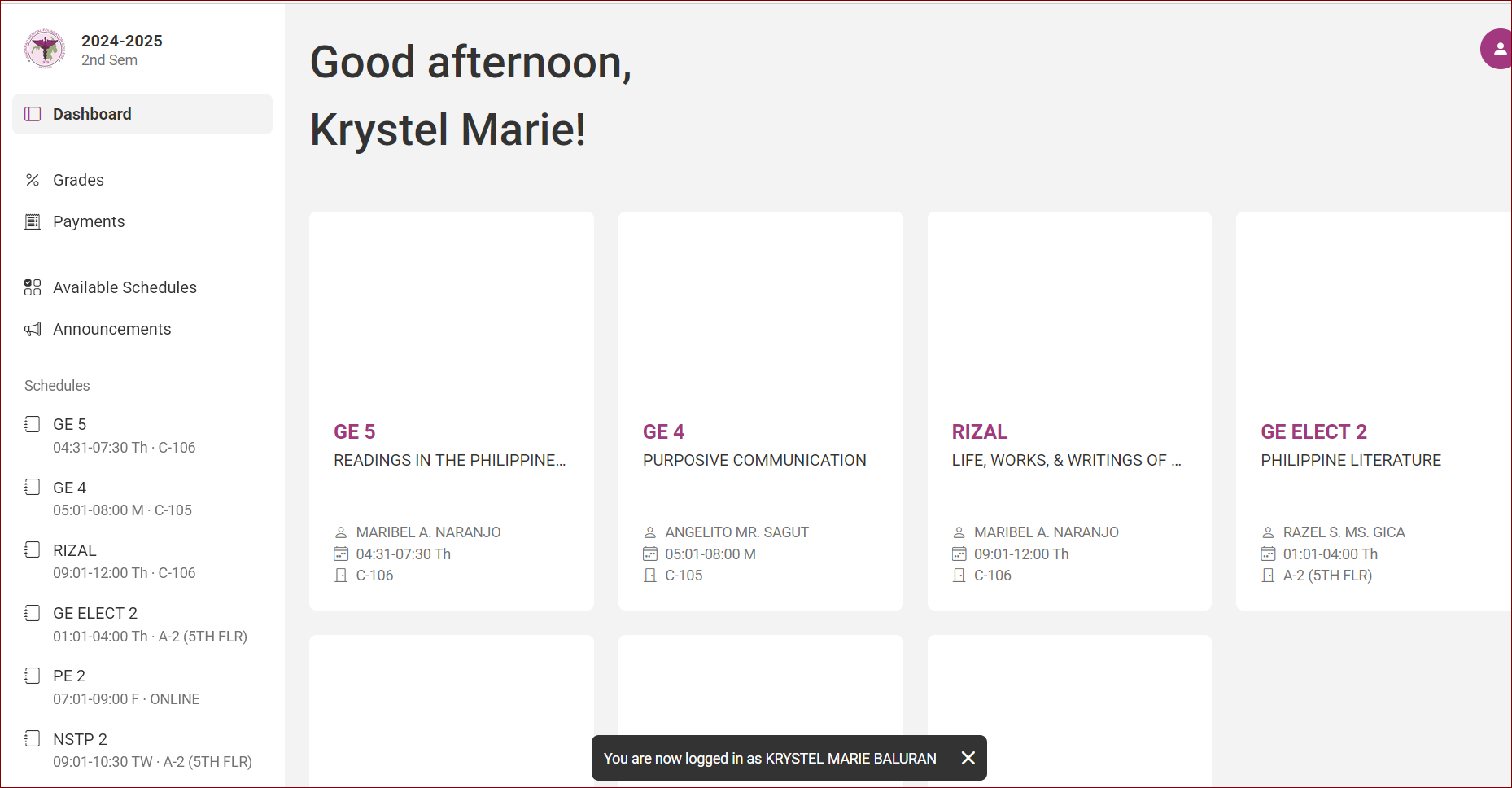
A teachers' and school administrators' partner tool for recording student grades, payment status, and disciplinary records — we were brought in specifically to fix an existing, troubled tool. The client came to us with an initial list of problems and a budget. As we worked through the fixes, we kept uncovering more issues underneath, which meant an honest cycle of renegotiation each time scope grew.
That negotiation was the real work: staying transparent with the client about what we were finding and why it cost more, rather than either quietly absorbing scope or going silent. A final budget was agreed on, and the fix was delivered successfully.
- Diagnosing an existing system's failure points
- Kanban-based fix delivery
- Transparent scope & budget renegotiation
Haraya Beyblade Platform
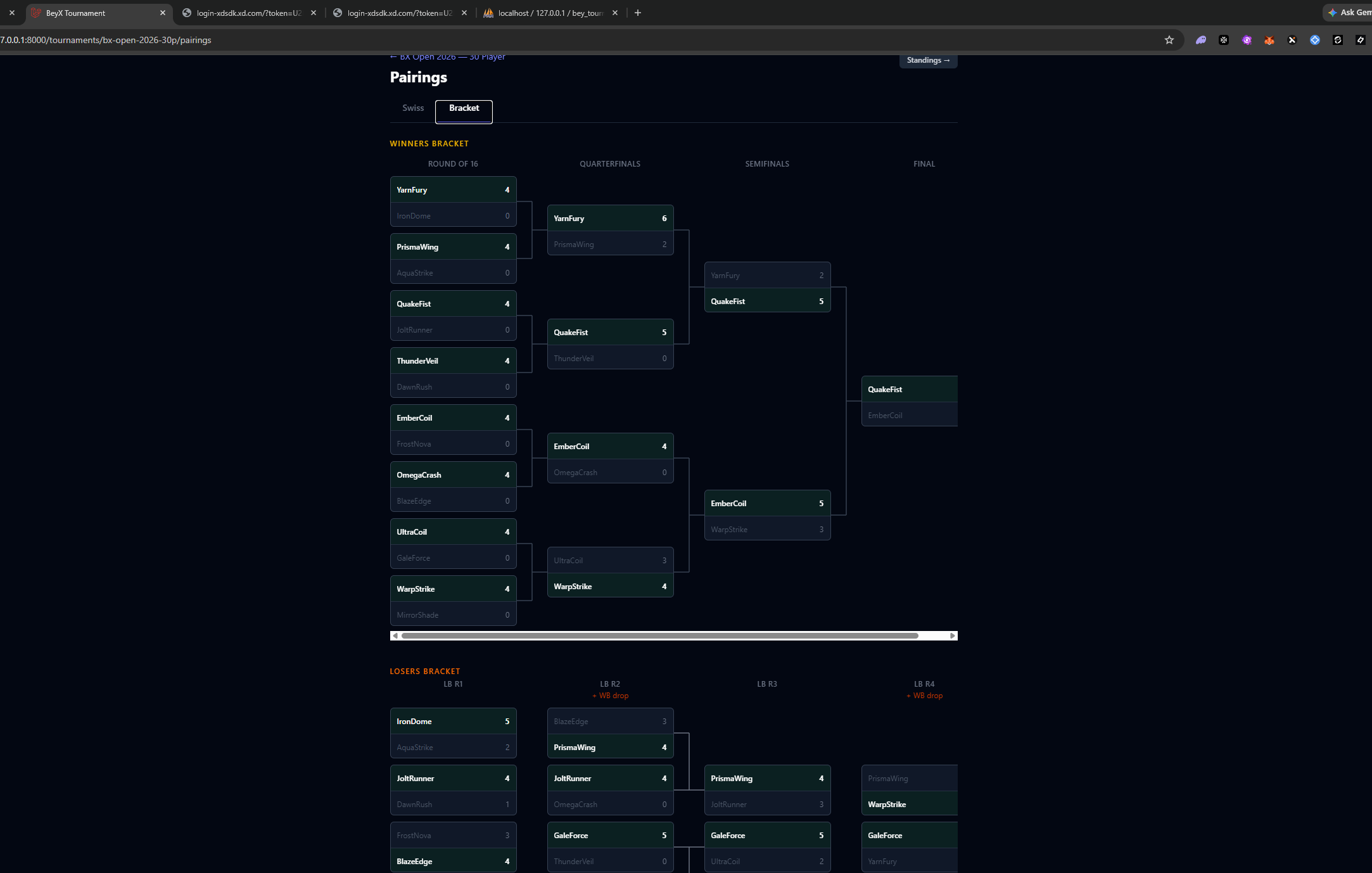
A tournament management and competitive analytics platform for the Beyblade X community — built under my own practice, Haraya Solutions. Existing tournament software like Challonge handles brackets and pairings well, but offers almost nothing in the way of player analytics, deck tracking, or long-term competitive insight. That gap was the niche.
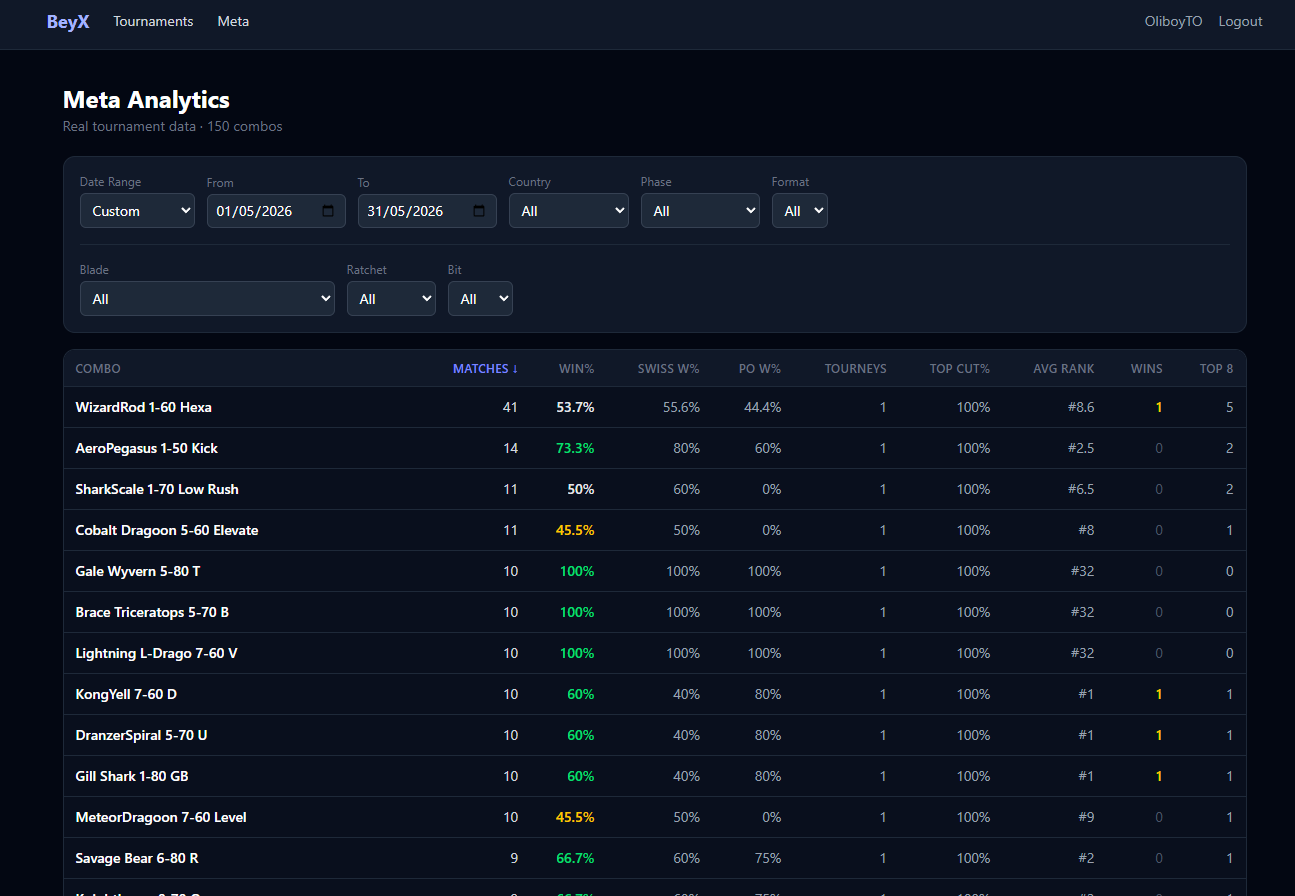
I used hypothesis-driven product development rather than starting from the technology. Through research and community observation, I found that players were judging the game's "meta" mostly by which decks won tournaments and which were popular — a method that's biased toward frequently used parts, not objectively successful ones. So the platform was built to capture complete tournament data and generate performance analytics from actual match results, so players could make deck and purchasing decisions based on evidence instead of hearsay.
- Swiss, single-, and double-elimination tournament engine with configurable Top Cut and automatic tie-breakers
- Player dashboard with deck lock-in, opponent deck visibility, current round & standings
- Analytics engine: win rates by full combo and by individual blade/ratchet/bit, regional meta trends, historical performance
- Flexible filtering by geography, format (1G/3G/6G), Swiss vs. playoff, and date range, with build-rule-aware part compatibility
- Planned admin ecosystem for organizers, community pods, clans, and CSV part-database import/export
My role spanned product discovery and PRD writing through UX, database, and tournament-rules design, the analytics system itself, Laravel backend development, React frontend planning, and AI-assisted development using Claude for rapid prototyping — driving the product vision and architecture myself throughout. Built on Laravel, PHP, React, MySQL, and Vite, deployed on a Hostinger VPS.